Toothpick Polygon
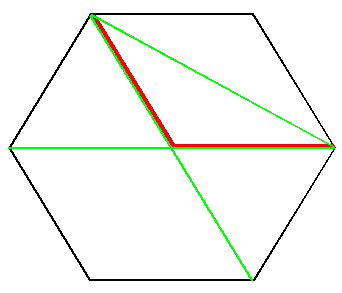
A regular polygon is created by placing N toothpicks of equal size end to end.
The polygon is then altered by moving exactly two of the toothpicks. The resulting figure is still a polygon, but it has 313% less interior diagonals.
What is the value of N?
A regular polygon is created by placing N toothpicks of equal size end to end.
The polygon is then altered by moving exactly two of the toothpicks. The resulting figure is still a polygon, but it has 3% less interior diagonals.
What is the value of N?
The polygon is then altered by moving exactly two of the toothpicks. The resulting figure is still a polygon, but it has 3
1
3
What is the value of N?
View the solution


Blogs on This Site


 Like us on Facebook to get updates about new resources